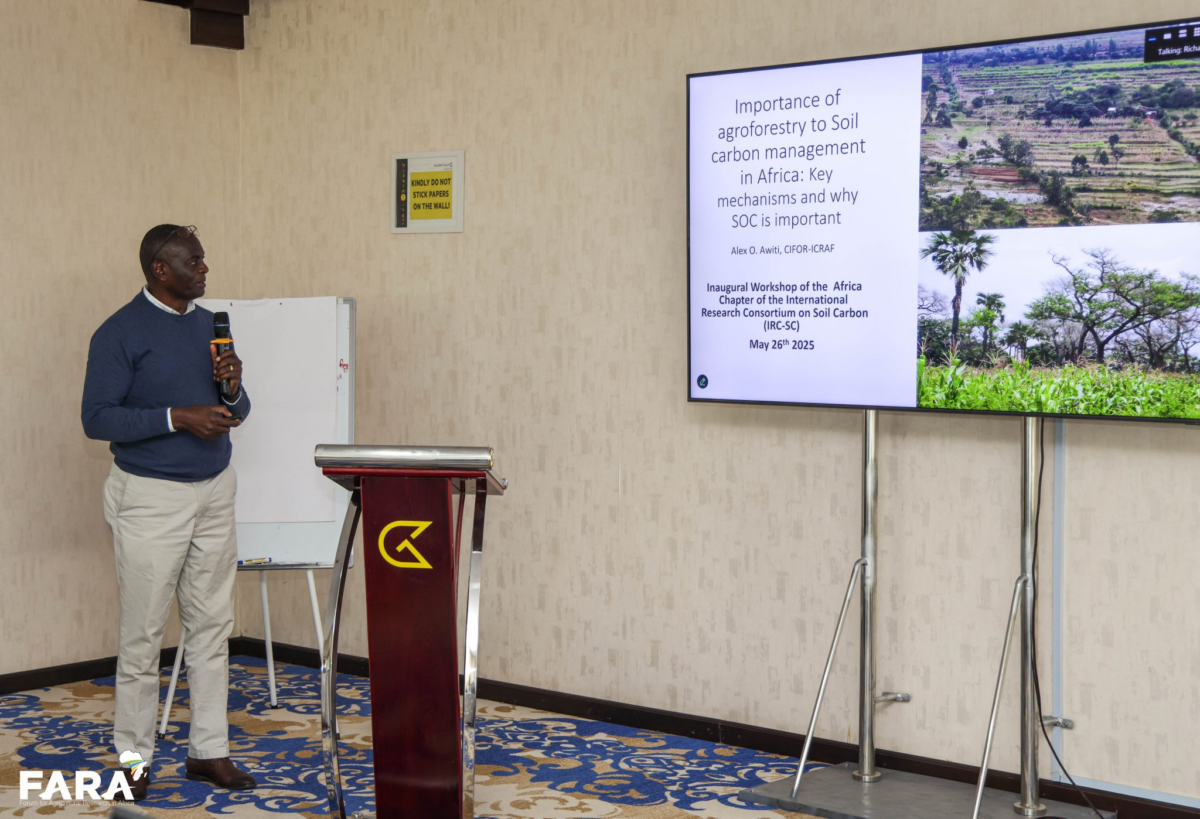
Strengthening soil carbon initiatives in Africa: highlights from the Kenya workshop
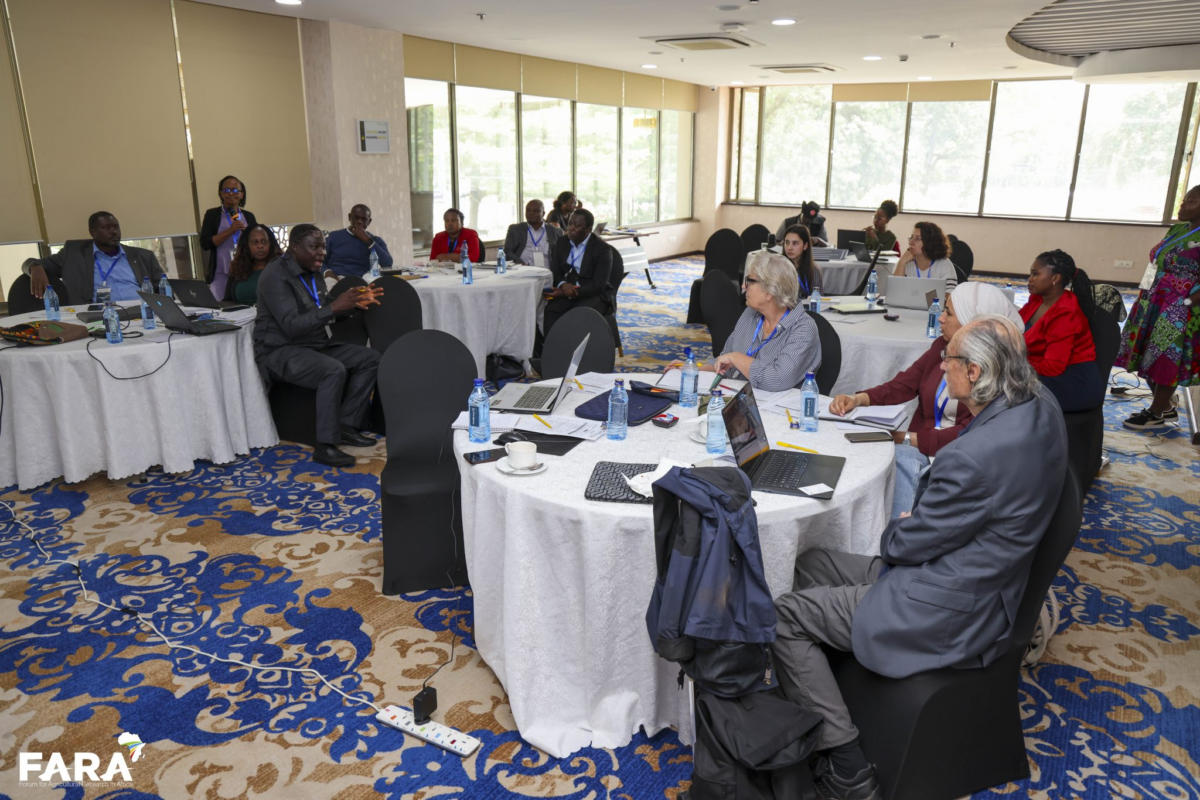
The ORCaSa project reached a significant milestone in its mission to operationalise international research cooperation on soil carbon. From 26 to 28 May 2025, a workshop took place at the Golden Tulip Hotel in Nairobi, Kenya, bringing together key stakeholders to consolidate the regional leadership for the transition towards Soil Carbon Futures (SCF).
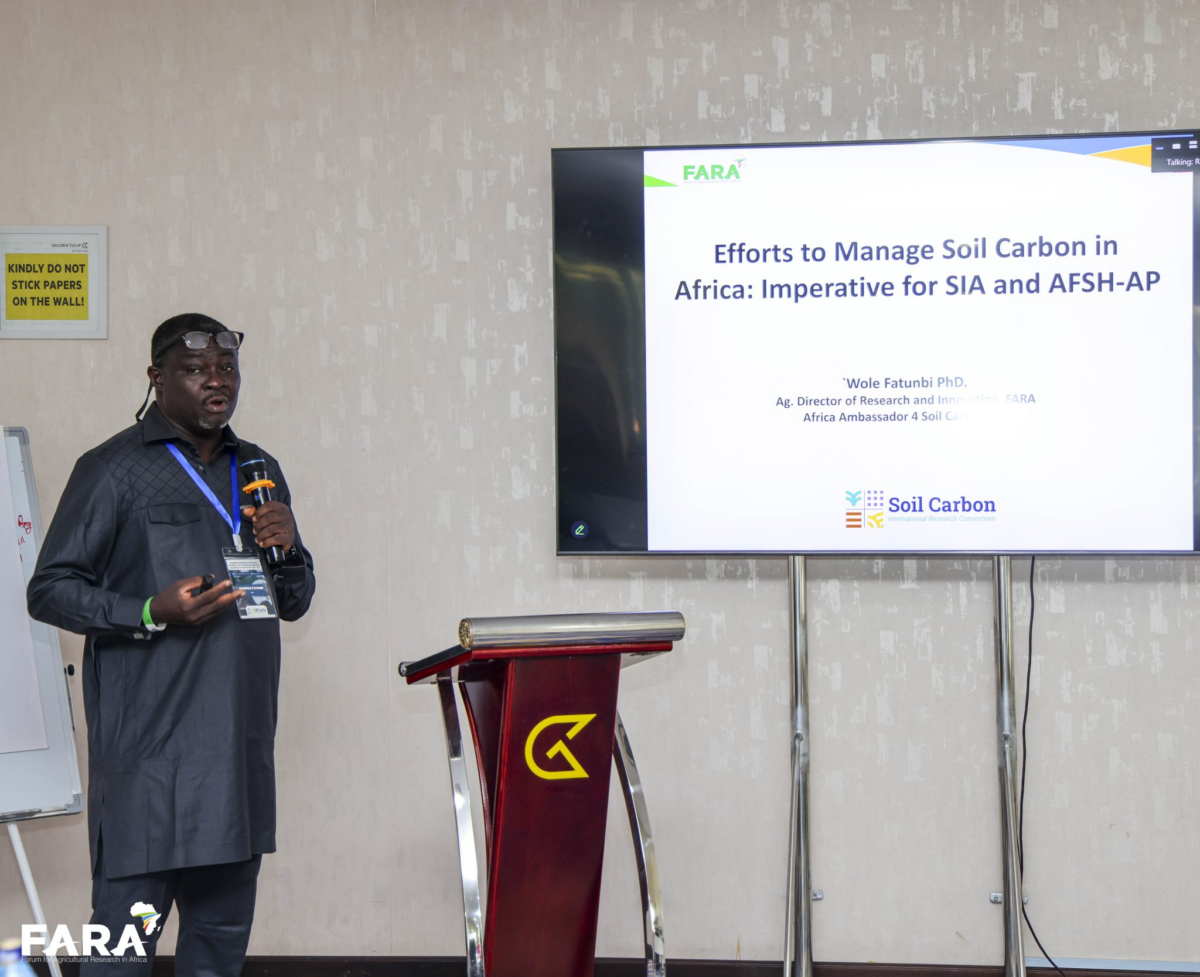
Organised by the Forum for Agricultural Research in Africa (FARA), the event was led by Dr Oluwole Fatunbi, the Regional Node Ambassador for Africa, alongside the ORCaSa coordination team from INRAE and the French National Research Agency (ANR). The hybrid gathering served as a platform for collaboration, focusing on the unique challenges and opportunities for soil organic carbon (SOC) management across the continent, with participants from KALRO, the University of Nairobi, CIFOR-ICRAF, the African Plant Nutrition Institute, the Alliance of Bioversity International and CIAT, Kenyatta University, OCP Africa and Grow West Africa.
The state of knowledge on African soil carbon
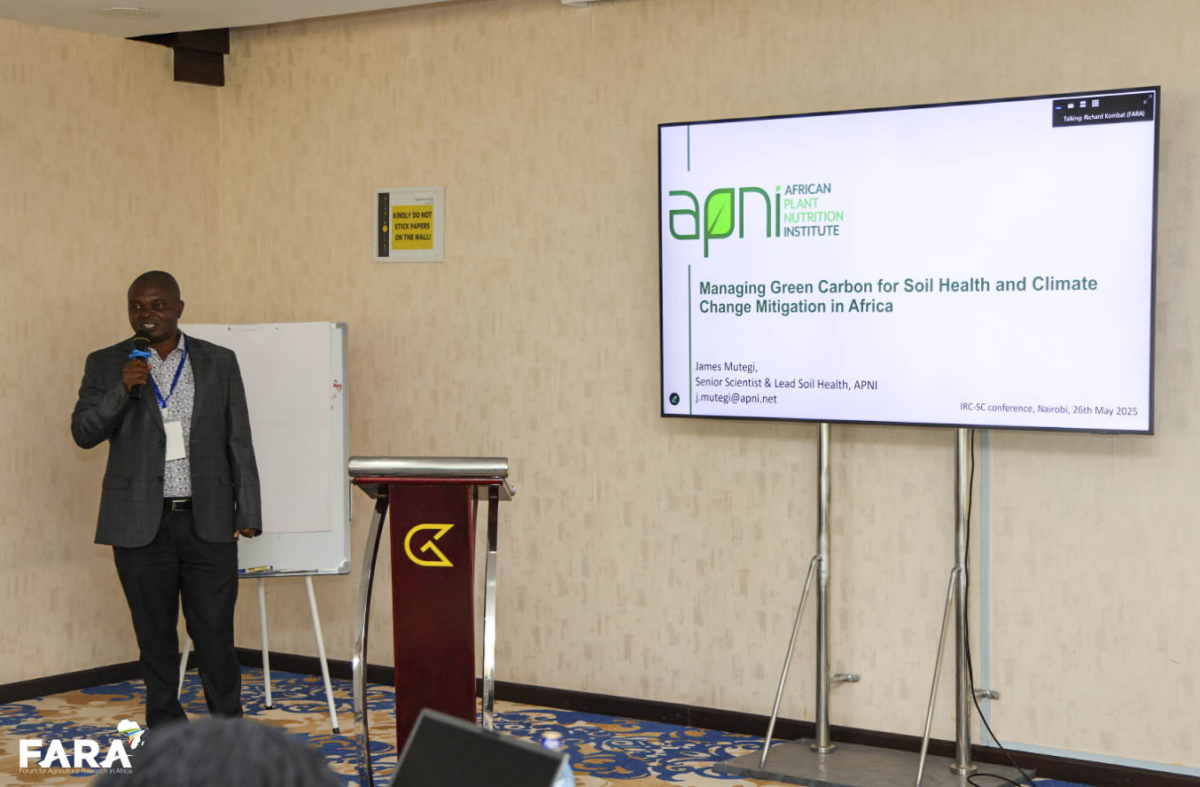
Discussions pointed to effective soil carbon management as the key to halting soil degradation in Africa. The continent holds only about 10% of the world’s soil carbon, owing to the nature and properties of its soils, yet carbon losses remain high as a result of agricultural practices and other land uses, affecting productivity, ecosystem services and climate. The continental response is embodied in the Soil Initiative for Africa (SIA) and the Africa Fertilizer and Soil Health Action Plan (AFSH-AP).
Presentations highlighted integrated soil fertility management (combining organic inputs to build soil carbon with mineral fertiliser to supply plant nutrients) as the best approach to securing agricultural productivity, supported by sound soil information systems and site-specific advisory tools. The growing private-sector momentum around organic fertiliser manufacturing was also examined, along with the need for appropriate labelling and science-based humus application rates.
Key outcomes and collaborative spirit
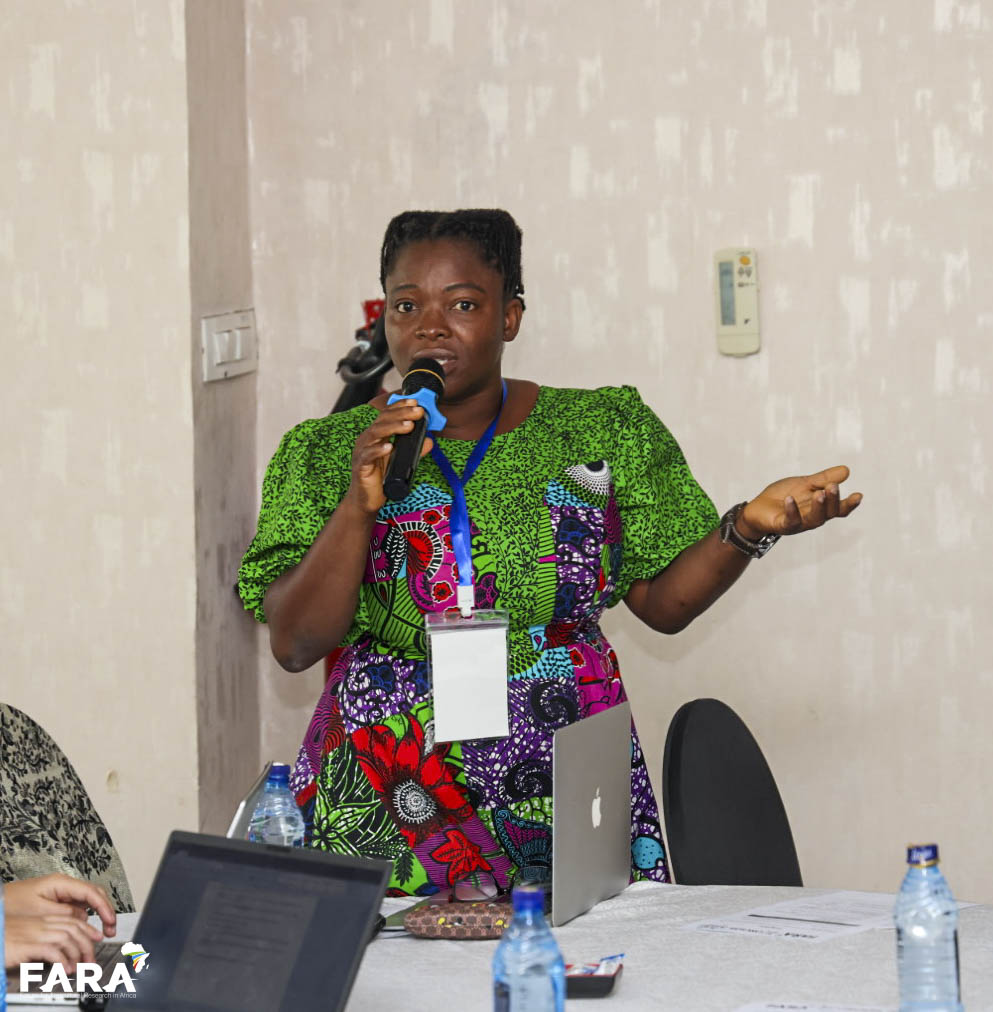
The workshop successfully identified and confirmed a dedicated lead group of experts committed to driving the SCF agenda in Africa. Participants engaged in dynamic sessions, a live demonstration of the Impact4Soil platform and a working session on the Strategic Research and Innovation Agenda (SRIA), which highlighted a collective willingness to pursue long-term research and innovation efforts together.
Field visits: KALRO and ICRAF
Beyond the plenary sessions, the delegation conducted technical visits to two prestigious institutions:
- the Kenya Agricultural and Livestock Research Organisation (KALRO), on 28 May, hosted by Dr Anne Muriuki;
- the World Agroforestry Centre (CIFOR-ICRAF) Nairobi campus, on 29 May, hosted by Prof. Alex Awiti.
These visits provided on-the-ground insights into existing soil monitoring and reporting infrastructures, further strengthening the links between European and African research communities.
Looking ahead
The success of the Kenya workshop underscores the role of regional nodes in the ORCaSa international framework. As the work transitions towards the Soil Carbon Futures initiative, the commitment shown by the African partners ensures that soil health remains at the forefront of climate action strategies.
For more details on the discussions, you can read the full event coverage by Wole Fatunbi on the FARA website, and our interview with Dr Oluwole Fatunbi: ‘Elevate Africa’s voice regarding soil health’.